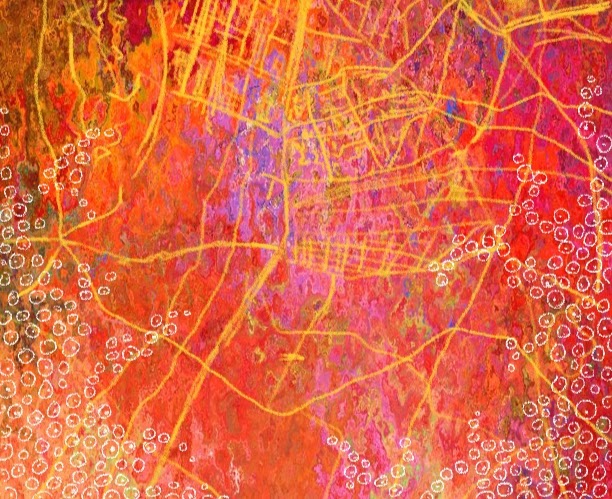
mad maps prompts
Contributing artists for The Mad Maps Projects received the following list of cartographic prompts: reflective questions and creative exercises designed to help them to chart mad maps through their object. Whether you have a grocery store item handy or simply have your person, you’re welcome to play along! Simply select from the following options below.
CARTOGRAPHIC PROMPTS for CHARTING MAD MAPS
| What is your relationship to mental health? What is your relationship to mental illness? What is your relationship to mental disability? How are these relationships different? | Who is your chosen family? How do/did they understand mental health? | Who raised you? How do/did they understand mental health? |
| Who are your ancestors? How did they understand mental health? How were they impacted by psychiatry? | What non-mental health related identities do you hold? How do these identities inform your understanding of mental health, mental illness, and/or mental disability? | Describe your bodymind (your body and your mind, together) without using medical, anatomical, or psychiatric terms. |
| Draw a map of your bodymind. Chart the following sensations: safety, joy, distress, connection, shame, calm, loneliness, connection, warmth, fatigue, courage, energy. Now, reviewing your map, what memory lives in each location you’ve charted? What other sensations and memories can you trace? | Make a mental health first aid kit. What objects can you include that inspire joy on a hard day? What foods or drinks bring you comfort? Are there books, articles, poems, or songs that bring you pleasure? Are there activities that bring you back to your body? | Write a children’s story for a future person who will share your experience of mental health. |
| Identify the mad-associated term in your product. What does this term mean to you? What kind of associations does it evoke? When did you first learn this term? | Look up the history and etymology of the mad-associated term in your product. Search the term on urban dictionary. Search it as a hashtag on social media. Search for it when you are next out and about. Do you notice any patterns? | Do you speak another language? What is the word for the mad-associated term in that language? How does the sound, meaning, or memories it evokes change? |
| Create a playlist of songs that include the mad-associated term used in your product. | Examine the packaging. Is it square or oblong? In a box, bag, or bottle? Cardboard or plastic? Smooth or rough in texture? What colors are used? What fonts or images appear? | Draw a map of your product. Be sure to include any topographical features of note. |
| Turn your product into a puppet. How does it move? How does it sound? Does it talk? | Create a list of interview questions for your product. Ask each question, and note any response. | Draw your product. Now draw it upside down. |
| Dance with your product. (Now dance with it upside down?) | Carry your product with you everywhere you go for a whole day. | Open the packaging of your product. What sound does it make? How does that sound feel? |
| Notice the color, texture, density, and scent of your food or drink. | How does your food or drink move? Are there other ways to move it? | How is your food or drink meant to be consumed? Are there other ways to consume it? |
| Does your food leave a mark when smeared on paper? Could it? | Taste your food. How does it sit on your tongue? How does it taste? What is the texture like? | Have you consumed this product before? What are your memories of this product? What do you associate with this product? |
| Look up a commercial for your product on YouTube, or google an ad. What do you notice? | How does it make you feel? | How do you feel? |
These exercises were inspired, in part, by The Canaries, “Notes for the Waiting Room.”
 The Mad Maps Project